Das Kurhaus „Villa Dr. Buberl“ (auch als Kurhaus Buberl oder Sanatorium Dr. Buberl bekannt) ist ein geschichtsträchtiges und architektonisches Zeugnis der Blütezeit Franzensbads an der Wende vom 19. zum 20. Jahrhundert und der darauffolgenden Zwischenkriegszeit. Das Haus ist untrennbar mit dem Namen Dr. Andreas Buberl (1832–1907) verknüpft. Er war einer der renommiertesten landesfürstlichen Kur- und Brunnenärzte der Stadt, Militärarzt sowie ein bedeutender Heimat- und Volkstumsforscher des Egerlandes. Er verfasste unter anderem weit verbreitete medizinische Führer für Curgäste in Franzensbad. Sein Sohn, der Hotelier Wilhelm Buberl, führte die familiäre Kurhaustradition weiter. Das Gebäude diente vor allem im frühen 20. Jahrhundert und in der Zwischenkriegszeit als erstklassiges, privates Sanatorium und Kurpension für die gehobene europäische Gesellschaft. Die Villa befindet sich zentrumsnah im erweiterten historischen Kurviertel, nahe der repräsentativen Parkanlagen. Der Bau verkörpert den für die Jahrhundertwende typischen, repräsentativen Späthistorismus mit Elementen des Neoklassizismus und des frühen Jugendstils. Das Gebäude fügt sich harmonisch in das schachbrettartige Stadtbild ein. Es besticht durch eine feine Gliederung, Stuckverzierungen und die typisch herrschaftlichen Fensterfronten, die den Kurgästen viel Licht und eine Aussicht auf die umgebenden Promenaden boten.
The spa resort "Villa Dr. Buberl" (also known as Kurhaus Buberl or Sanatorium Dr. Buberl) is a historically significant and architectural testament to Franzensbad's heyday at the turn of the 20th century and the subsequent interwar period.
The building is inextricably linked to the name of Dr. Andreas Buberl (1832–1907). He was one of the city's most renowned spa and spring physicians, a military doctor, and an important local historian and folklorist of the Egerland region. Among other works, he authored widely circulated medical guides for spa guests in Franzensbad. His son, the hotelier Wilhelm Buberl, continued the family's spa resort tradition. Especially in the early 20th century and during the interwar period, the building served as a first-class, private sanatorium and spa hotel for the upper echelons of European society.
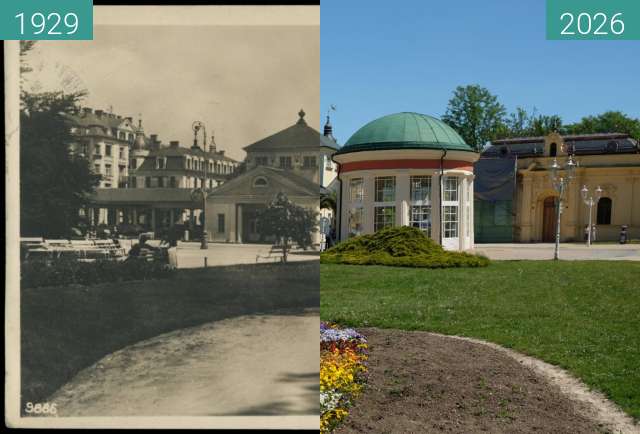
The villa is centrally located in the extended historic spa district, near the elegant park.
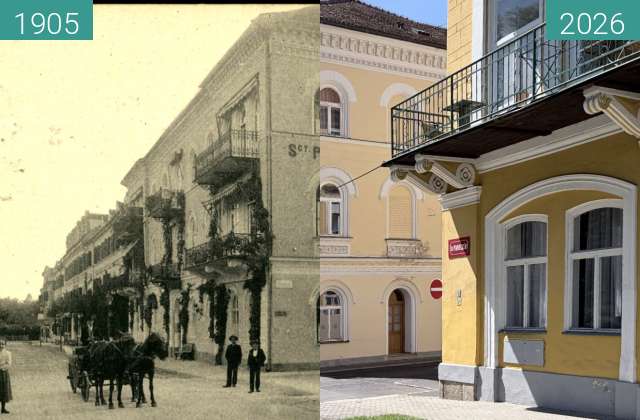
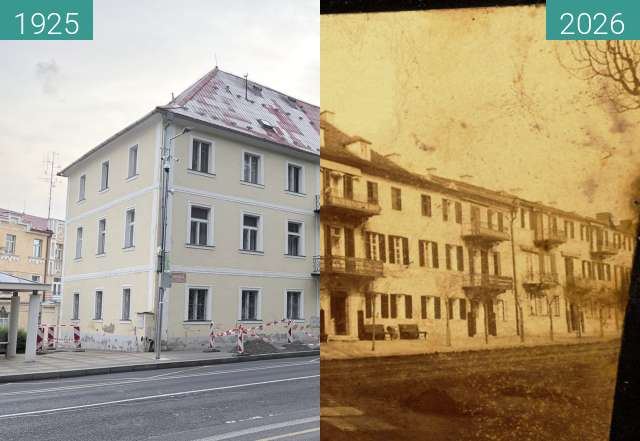
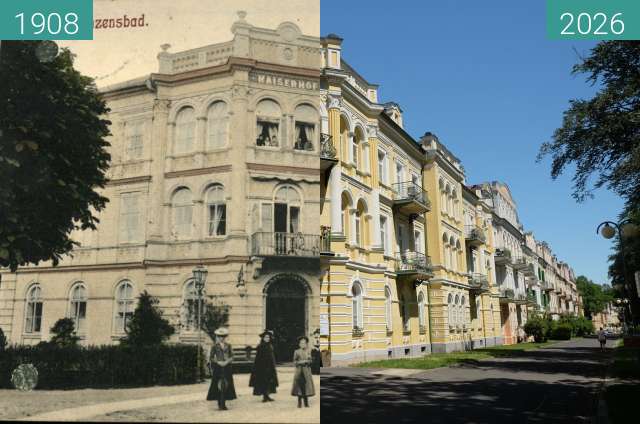
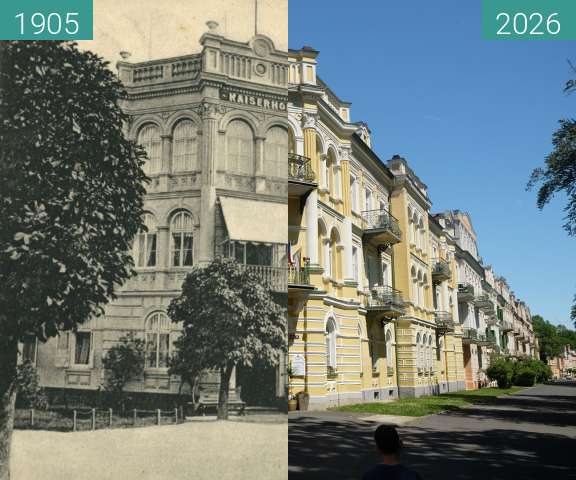
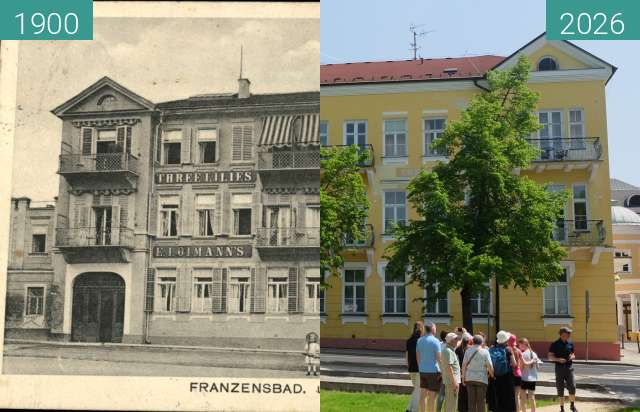
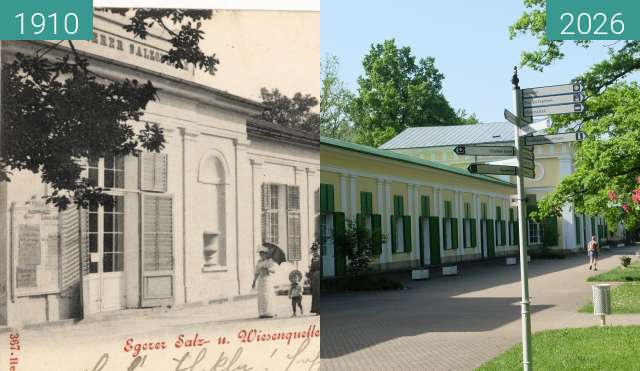
The building embodies the representative late Historicism typical of the turn of the century, incorporating elements of Neoclassicism and early Art Nouveau. It blends harmoniously into the grid-like cityscape. It impresses with its refined articulation, stucco decorations, and the characteristically grand windows that offered spa guests ample light and views of the surrounding promenades.

Das Kurhaus „Villa Dr. Buberl“ (auch als Kurhaus Buberl oder Sanatorium Dr. Buberl bekannt) ist ein geschichtsträchtiges und architektonisches Zeugnis der Blütezeit Franzensbads an der Wende vom 19. zum 20. Jahrhundert und der darauffolgenden Zwischenkriegszeit.
Das Haus ist untrennbar mit dem Namen Dr. Andreas Buberl (1832–1907) verknüpft. Er war einer der renommiertesten landesfürstlichen Kur- und Brunnenärzte der Stadt, Militärarzt sowie ein bedeutender Heimat- und Volkstumsforscher des Egerlandes. Er verfasste unter anderem weit verbreitete medizinische Führer für Curgäste in Franzensbad. Sein Sohn, der Hotelier Wilhelm Buberl, führte die familiäre Kurhaustradition weiter. Das Gebäude diente vor allem im frühen 20. Jahrhundert und in der Zwischenkriegszeit als erstklassiges, privates Sanatorium und Kurpension für die gehobene europäische Gesellschaft.
Die Villa befindet sich zentrumsnah im erweiterten historischen Kurviertel, nahe der repräsentativen Parkanlagen.
Der Bau verkörpert den für die Jahrhundertwende typischen, repräsentativen Späthistorismus mit Elementen des Neoklassizismus und des frühen Jugendstils. Das Gebäude fügt sich harmonisch in das schachbrettartige Stadtbild ein. Es besticht durch eine feine Gliederung, Stuckverzierungen und die typisch herrschaftlichen Fensterfronten, die den Kurgästen viel Licht und eine Aussicht auf die umgebenden Promenaden boten.
Bildquelle: Österreichische Nationalbibliothek / AKON
The spa resort "Villa Dr. Buberl" (also known as Kurhaus Buberl or Sanatorium Dr. Buberl) is a historically significant and architectural testament to Franzensbad's heyday at the turn of the 20th century and the subsequent interwar period.
The building is inextricably linked to the name of Dr. Andreas Buberl (1832–1907). He was one of the city's most renowned spa and spring physicians, a military doctor, and an important local historian and folklorist of the Egerland region. Among other works, he authored widely circulated medical guides for spa guests in Franzensbad. His son, the hotelier Wilhelm Buberl, continued the family's spa resort tradition. Especially in the early 20th century and during the interwar period, the building served as a first-class, private sanatorium and spa hotel for the upper echelons of European society.
The villa is centrally located in the extended historic spa district, near the elegant park.
The building embodies the representative late Historicism typical of the turn of the century, incorporating elements of Neoclassicism and early Art Nouveau. It blends harmoniously into the grid-like cityscape. It impresses with its refined articulation, stucco decorations, and the characteristically grand windows that offered spa guests ample light and views of the surrounding promenades.
Image source: Austrian National Library / AKON